
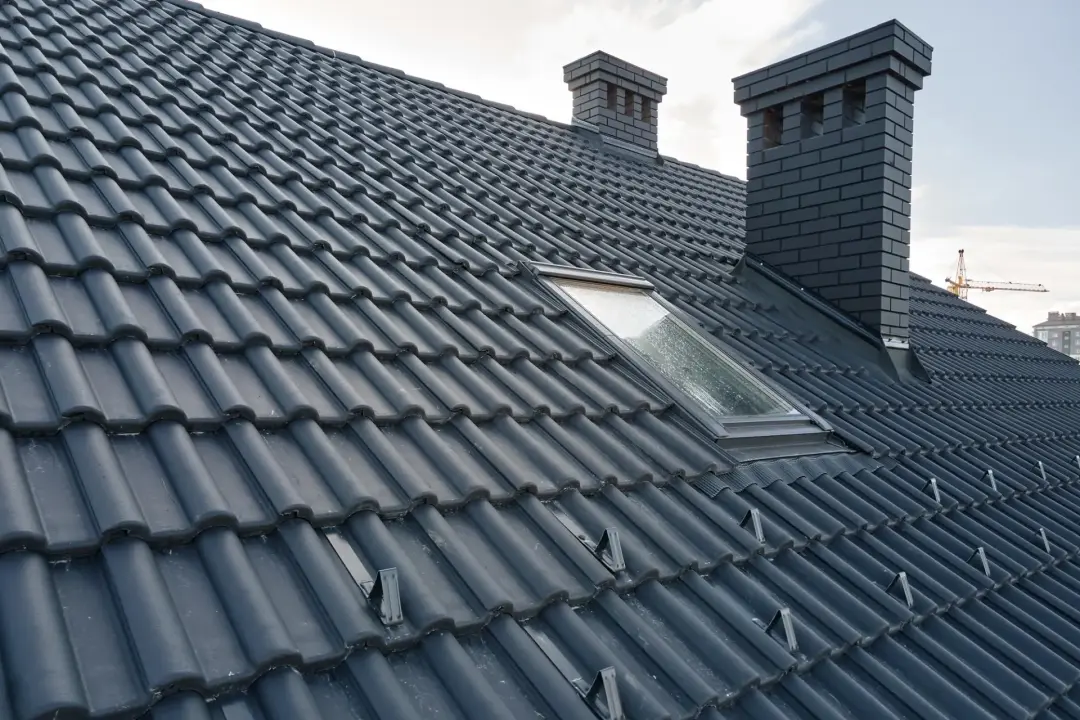
Knowing when your roof needs replacing can help you protect your property from leaks, damp and structural damage. This article explains the main signs that indicate your roof needs replacing, from damaged tiles to persistent leaks.
If you would like to learn more about roof repairs or replacements, check out our article here: aojsdapojsfopasf
When The Roof Is At The End Of Its Lifespan
Replacing a roof when it reaches the end of its lifespan is important because the older your roofing materials are. the more likely they are to become worn, cracked or less effective. In the UK, roofs are regularly exposed to wet weather, strong winds and changing temperatures, which can gradually weaken your roof tiles, slates, membranes and fixings.
An older roof is more likely to develop leaks, allowing water to enter your property and damage your insulation, ceilings, walls and roof timbers. In some cases, long-term water damage can also lead to rot and mould growth. Replacing the roof before any serious damage develops can help you protect your roof and improve both its weather protection and energy efficiency.
When The Roof Tiles Or Slates Are Missing, Cracked Or Broken
Missing, cracked or broken roof tiles/slates can leave your home exposed to rain, wind and moisture. In the UK, damaged roof coverings should be dealt with quickly because if the damage is widespread, the roof may need to be replaced entirely.
Tiles and slates form an important protective layer over your roof, and when they go missing or become damaged, rainwater can enter and reach the underlay, battens and roof timbers underneath. Over time, this can lead to issues like damp, timber decay and damage to your ceilings, walls and insulation.
A new roof covering can restore your home's weather protection, reduce the risk of ongoing leaks and help protect the main structure of your property. It can also improve the overall appearance of the property and reduce the likelihood of further roof problems occurring.
Water Leaks And Storm Damage
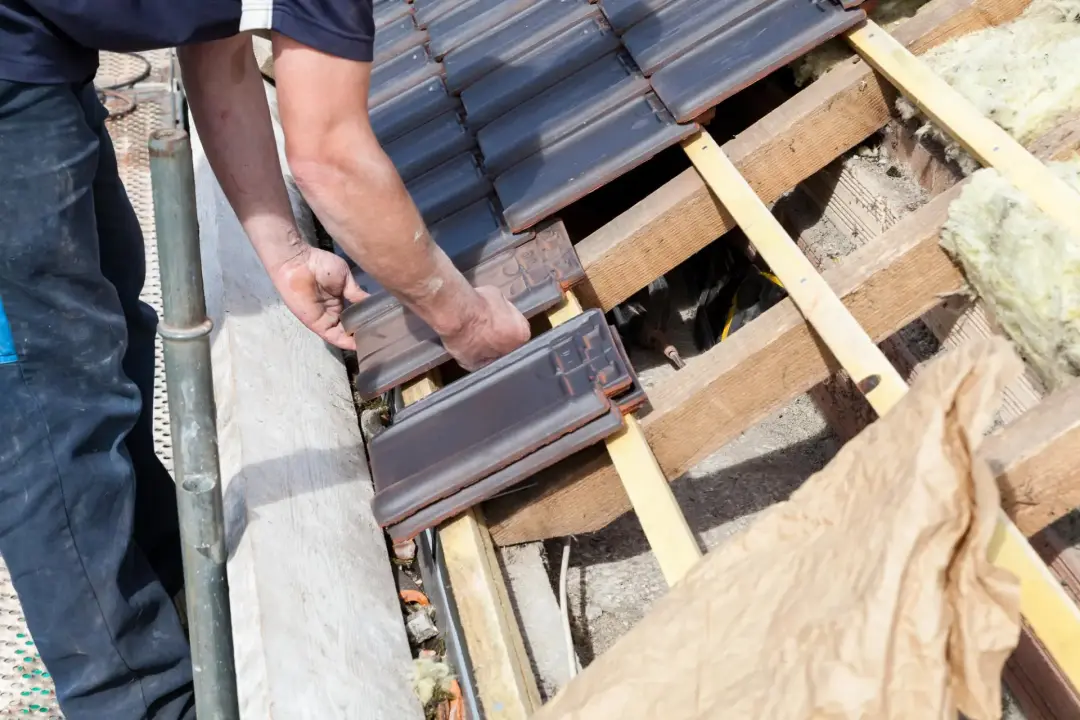
Roofs in the UK are regularly exposed to heavy rain, strong winds and changing temperatures, and over time, this can weaken your roof tiles, slates, flashing, underlay and other materials. Replacing a badly damaged roof can restore your property's weather protection and prevent water from entering your property and damaging your walls, ceiling, insulation and roof timbers.
Roof leaks can develop for several reasons, including missing or cracked tiles, slipped slates, damaged flashing, worn-out roofing membranes and blocked or damaged drainage areas. Strong winds can also lift up the roofing materials, while heavy rain can find its way through existing weak points. If a roof leak is not dealt with, moisture can spread through the roof and cause damp, rot, and mould damage.
When There's Repeated Damp Issues
A new roof can help prevent rainwater from reaching your roof space, insulation and the internal parts of your property, which can help reduce the risk of damp patches appearing along your ceilings and walls. Replacing a damaged roof can also help protect the roof timbers from moisture and limit the risk of decay (which often weakens the roof structure and leads to extensive repair work).
Replacing your roof when there are damp issues also prevents the risk of mould growth. Moisture damage and leaks can create the ideal conditions for mould to grow, which can end up damaging your property's internal finishes and your indoor air quality. By replacing these worn-out materials, you can help prevent water from entering your property and stop damp from causing damage.
Moss Growth And Surface Damage
Moss growth and surface damage are both signs that your roof is beginning to deteriorate. Seeing moss on its own doesn't always mean that your roof needs replacing, but heavy growth combined with damaged roofing materials can indicate that there are wider issues that need to be investigated. Moss tends to grow in damp, shaded areas and can retain moisture against your roof tiles and slates. Over time, this moisture may contribute to surface damage, particularly if your roofing materials are old, cracked or weakened.
Surface damage, including cracked tiles, worn protective coatings, broken edges and loose slates, is often limited to a small section of the roof. However, if this deterioration is widespread across the roof, replacement may be more practical than carrying out repeated repairs. A damaged roof covering can lead to leaks, damp, damaged insulation and timber decay if the problem continues. A professional roof inspection can determine whether or not this damage can simply be repaired, or whether the roof needs to be fully replaced.
If You Find Granules In The Gutter
Roofs that are covered with mineral-surfaced roofing felt or bituminous shingles, which use a layer of small mineral granules to protect the surface, can release small granules after the installation process or during periods of heavy rain. However, finding large amounts of granules in the gutter can indicate that the roof covering is deteriorating.
Granules help protect the roof from sunlight, weathering and general wear and tear, and when they begin to deteriorate, the layers underneath can become exposed. This may cause the roof covering to become brittle, cracked or less effective, and if the problem continues, moisture can begin to enter and cause leaks.
When There's A Sagging Roofline
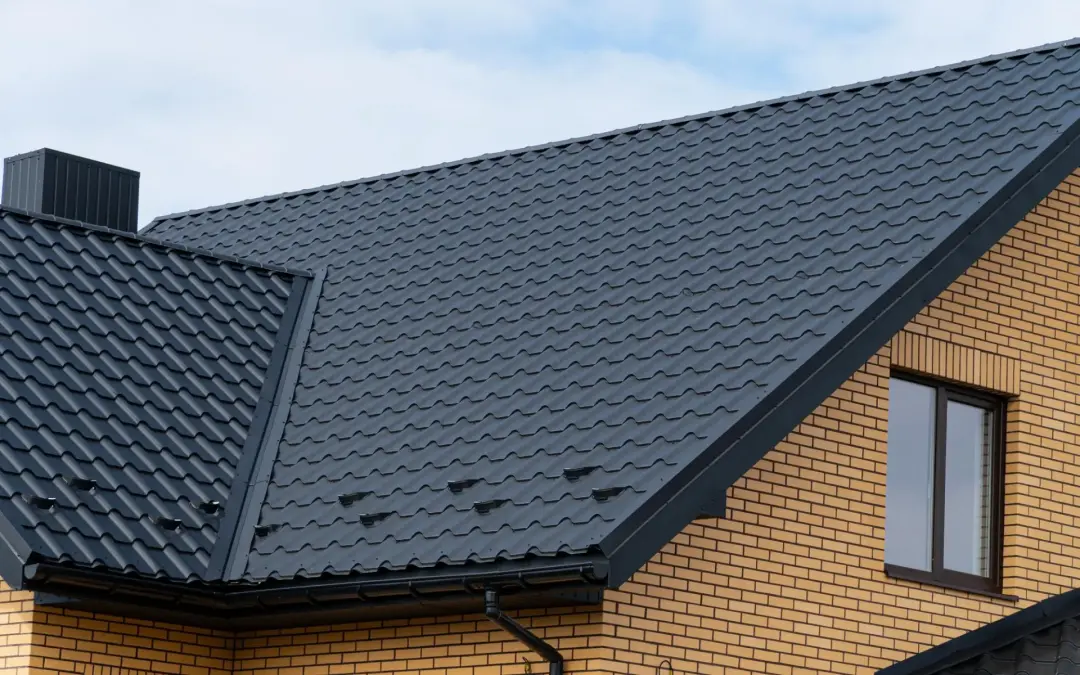
A sagging roofline can be a serious sign that part of your roof structure has weakened. In the UK, roofs are exposed to rain, wind and changing temperatures, so any visible dip, curve or uneven section should be checked as soon as possible.
A roofline may begin to sag when the supporting timbers have become damaged, weakened or overloaded. Long-term water leaks can also cause the roof timbers to rot, while damaged coverings can allow moisture to reach the structure below. In some cases, problems with the rafters, joists or other supporting parts can also affect the shape of the roof.
A sagging roof should never be ignored because the problem can worsen over time, and if the structural parts continue to weaken, the roof may become less stable.
Damaged Underlay
The underlay sits beneath the roof tiles or slates and acts as an extra barrier against rain, wind-driven moisture and dust. Over time, the underlay can become torn, brittle, worn or damaged by long-term exposure to moisture. If the roof tiles or slates become missing or broken, water can enter and reach the underlay, which can cause it to deteriorate faster. Once the underlay is damaged, rainwater can pass through it and into the roof space, which can lead to damp insulation, water stains and timber decay.
Small sections of damaged underlay can sometimes be repaired if the rest of the roof is in good condition; however, widespread damage can be difficult to fix without needing to remove the entire roof covering. During a roof replacement, the existing covering and damaged underlay can be removed, inspected and reinstalled, which can help improve your weather protection and reduce the risk of leaks.
Precision Roofing provides professional roof replacement services for homes and businesses alike. We can remove old roof coverings, inspect the structure, fit new underlay and install suitable tiles, slates or other roofing materials.