Flat roofs can develop a range of problems over time, especially when they're exposed to regular rain, changing temperatures and poor drainage. This article explains some of the most common flat roof issues, including ponding water, damaged membranes, leaks, rotten decking, moss growth and general age-related deterioration.
To learn more about roof repairs, have a look at our article, here: Roof Repair vs Replacement What's The Difference
Ponding Water
Ponding water is one of the most common problems that flat roofs face because they have a much lower slope than pitched roofs. Although flat roofs are designed with a slight fall to help water drain away, rainwater can still collect on the roof if the surface does not drain properly. This problem often happens when the roof has low spots or uneven areas, which often occur due to a poor installation, movement in the roof structure or gradual changes to the roof surface over time.
Blocked gutters, outlets or drainage channels can also cause ponding, and leaves, dirt, moss and other debris can stop rainwater from flowing away, especially during heavy rainfall. Ponding water can put extra weight on the roof and cause the roofing materials to deteriorate faster. Standing water can also find its way through small cracks, damaged joints or weak areas in the roof covering, which can lead to leaks and damp.
Blocked Outlets and Gutters
Blocked outlets and gutters are a common problem for flat roofs because rainwater needs a clear drainage route in order to leave the roof properly. Unlike pitched roofs, flat roofs only have a slight fall, so any blockage can quickly slow down or stop water from draining away.
This problem usually develops when leaves, moss, dirt, twigs and other debris collect around the drainage outlets or inside the gutter, and over time, this material can build up and restrict your water flow. When your drainage outlets become blocked, water can begin to collect on the roof, which can lead to ponding.
The main signs of blocked outlets and gutters are visible standing water, overflowing gutters, water spilling over the roof edges and debris gathering around the drainage points. Damp patches or water stains can also begin to appear if water starts to enter through the roof.
Cracked Roofing Membranes
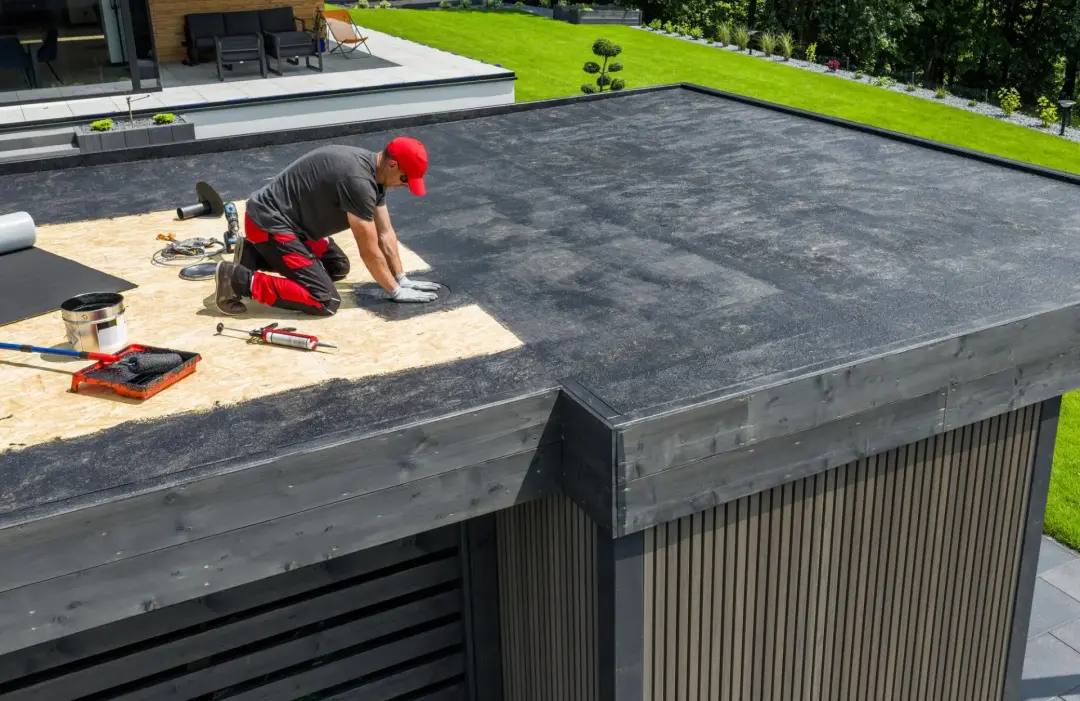
Flat roofing membranes are constantly exposed to rain, sunlight, temperature changes and general weathering, and over time, these conditions can cause the roofing materials to become less flexible and more likely to split or crack.
This problem often develops as a flat roof ages, especially where the membrane has already started to wear down. Repeated heating and cooling can also cause the roofing materials to expand and contract, which can put extra stress on the membrane, especially around the joints and edges.
Damage to the membrane can also occur due to foot traffic, maintenance work or falling objects, like branches. In some cases, standing water can contribute to surface wear and make existing weak areas even worse.
Blistering, Splits and Tears
Blistering, splits and tears are common on flat roofs because the roof covering is constantly exposed to rain, sunlight, temperature changes and general wear and tear throughout the year, which can all affect the roofing felt and waterproof membrane.
Blistering occurs when air or moisture becomes trapped beneath the roof covering, and as the roof heats up, the trapped air or moisture can expand and create raised bubbles or swollen areas on the surface. Poor installation, trapped moisture and ageing materials can also increase the risk of blistering.
Splits and tears can develop when the roofing material becomes brittle or is placed under stress. Repeated expansion and contraction caused by changing temperatures can also weaken the surface over time and cause it to split. Movement in the roof structure, heavy foot traffic, maintenance work and falling objects can also damage and tear the membrane.
The main warning signs to look out for are raised bubbles, uneven sections, visible cracks, open splits or torn areas in the roof covering. The surface may also appear worn, loose or damaged around the seams, edges and joints.
Damaged Flashing and Water Leaks
Damaged flashing and water leaks are common flat roof problems because the flashing is used to protect vulnerable areas where the roof covering meets the walls, edges, vents, rooflights and other features. The flashing can deteriorate over time due to general age, weather exposure, movement in the roof structure or a poor installation.
Strong winds and temperature changes can also put more stress on the joints and fixings, which can cause the sealants to dry out or separate and create small gaps where rainwater can enter. Water leaks can also develop if the roof membrane is damaged near the flashing or if water is left to pool around the roof edges and joints.
The main warning signs of damaged flashing include visible cracks, loose sections, lifted edges and gaps around the roof features. The sealant around the roof joints may also appear to be split, worn or separated from the surrounding surface. Moreover, damp patches, water stains, peeling paint and a musty smell inside your property are other warning signs to be aware of.
Rotten Roofing Decking
If water gets through the outer layer of the waterproof layer and remains trapped, the decking underneath can remain damp for long periods of time and gradually begin to decay. This problem often develops due to leaks in the roof membrane, damaged flashing, failed joints or poor drainage. Ponding water can also increase the risk of this issue occurring if moisture finds its way through any cracks or weak areas in the surface. In some cases, leaks may go unnoticed for a long time since the decking is hidden beneath the roof covering.
Timber decking is particularly vulnerable when it remains wet since it can become soft and weak. If this problem spreads, it can affect the stability of the roof surface and may lead to further damage. The signs of rotten roof decking are soft or spongy areas, visible sagging, uneven sections or movement in the roof surface, as well as damp patches, water stains, peeling paint or mould.
Rotten decking should be inspected as soon as possible because the damaged sections may continue to weaken if the source of the moisture is not fixed. Localised damage can sometimes be repaired by replacing the affected decking and repairing the waterproof covering. However, if the rot is widespread, larger sections of the roof may need to be removed and replaced.
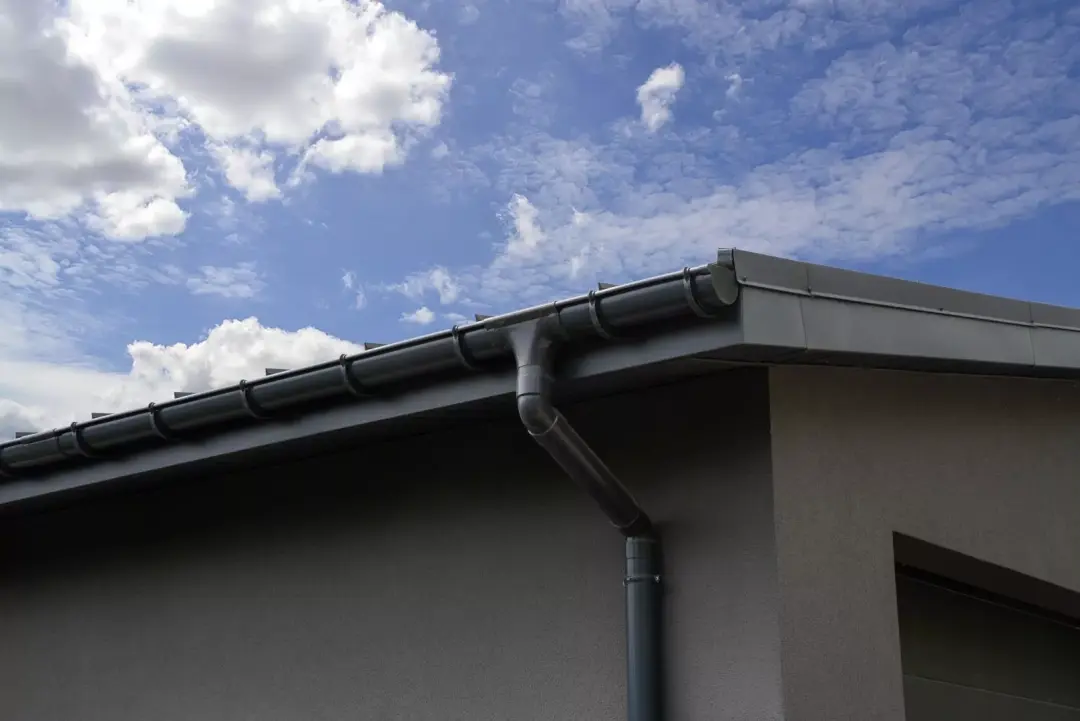
Cracked Or Damaged Roof Edges
Roof edges help protect the outer parts of the roof and support the waterproof covering. However, the edges can become damaged or brittle over time or begin to separate from the edge of the roof. Strong winds can also lift or loosen the materials, while repeated heating and cooling can cause the surface to expand and contract.
If the roof edge becomes cracked or loose, rainwater can get underneath the waterproof covering and allow moisture to reach the roof decking, insulation and other materials below. Over time, this can lead to damp, timber decay and further damage to the roof structure.
The common warning signs of this issue are visible cracks, splits or gaps along the roof edge. The membrane may also appear lifted, loose or pulled away from the edge.
Moss and Algae Growth
In the UK, frequent rainfall, shaded areas and limited sunlight can create the ideal conditions for moss and algae to grow. Moss usually grows when moisture remains on the roof, especially in areas with poor drainage or ponding water. Leaves, dirt and other debris can also collect on flat roofs and hold moisture, which can create suitable conditions for moss to grow.
Algae can develop in similar damp conditions, and it can spread across areas that receive little-to-no direct sunlight. Finding moss and algae growth doesn't always mean that the roof is badly damaged, but heavy growth can contribute to other problems, such as standing water.
Additionally, if moss grows around the joints, edges or damaged sections, it can make existing cracks or defects harder to see. A regular roof inspection can help you identify these areas before they become more serious.
Age-Related Deterioration
Age-related deterioration is one of the most common problems that affects flat roofs because roofing materials naturally wear down over time. In the UK, flat roofs are regularly exposed to rain, wind, sunlight, frost and changing temperatures, all of which can gradually reduce the condition of the roof covering.
As a flat roof ages, the waterproof surface can become less flexible and more brittle, and repeated expansion and contraction can put more and more stress on the joints, seams and edges. Over time, this can lead to cracks, splits, loose sections or worn-out areas.
Older flat roofs can also become more vulnerable to ponding water, damaged flashing and broken seals. If the waterproof layer begins to break down, rainwater can reach the insulation, roof decking or internal parts of the property, which can lead to cracking, blistering, splitting, fading or thinning. Loose seams, damaged edges and worn flashing can also indicate that the roof is reaching the end of its lifespan.
At Precision Roofing, we provide professional roof repair, replacement and installation services for homes and businesses. We can remove old roofing materials, inspect the roof structure, replace damaged components and install new roof coverings.